
Wildlife Removal Services
Fox Removal in Northern Virginia
A fox denning under your shed or deck in spring is the most common fox call we get — and the one where the right answer is most often not a trap. Here is how we assess it honestly.
Licensed in VA (#56104) and MD (#049372). Family-owned, 20+ years, answering 24 hours a day.
A Denning Fox Is a Seasonal Situation, Not an Infestation
Red and grey foxes are established suburban animals across Fairfax, Arlington, Alexandria and Loudoun. They are present year-round and mostly invisible — until February to May, when a vixen needs a sheltered natal den and picks the space under a shed, a deck, a porch or an old groundhog burrow in the yard.
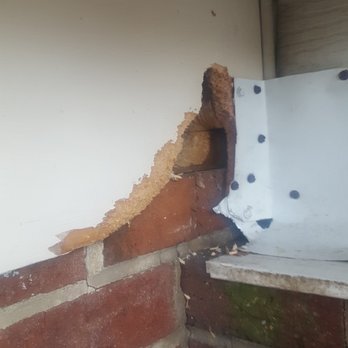
What you see then: a worn entry with scattered dirt, bones, feathers and bits of rubbish outside it, a strong musky smell, flattened grass paths, kits playing outside at dawn and dusk, and screaming at night in January and February that is mating, not fighting.
The part worth knowing is that this is temporary. Kits are typically mobile by late spring and the family abandons the den by mid-summer, and they rarely reuse it the following year. A fox family under a shed in April is, left alone, usually gone by July.
When It Should Be Left Alone, and When It Should Not
We will tell you when to do nothing, because that is often the correct answer. A vixen with kits under a back-yard shed, no pets at risk, no structural damage: the cheapest and most effective plan is to wait it out, keep dogs away from the entry, and let us exclude the space properly once they leave. We would rather come back in July for exclusion than trap a family in April.
It should not be left alone when: the den is under an occupied structure such as a crawl space, sun room or attached garage — the noise and the smell make that intolerable; the burrow is undermining a footing, slab or retaining wall; there are small pets or poultry on the property; the animal has lost its fear of people, which usually means somebody is feeding it; or it shows signs of sarcoptic mange — hair loss, raw skin, a rat-like tail — or of rabies, which is a call to make immediately.
Two things help in almost every case: stop feeding wildlife and secure the bins, and make the space genuinely uninhabitable once it is empty. Foxes den where there is a ready-made cavity. Take the cavity away and the problem does not recur.
Why Relocation Is Not on the Table
The fox is one of Virginia’s rabies vector species, and the handling rules follow from that.
This is the whole reason we push exclusion and habitat work first. There is no version of a fox call where the animal gets a new home in the countryside, and any company that says otherwise is either breaking the rules or managing your feelings. Trapping a healthy vixen in April also leaves kits underneath your structure, which is the worst outcome for everyone including you.
You decide with the facts in front of you.
How the Job Runs
1. Assess the den honestly
Species, whether kits are present, how the den affects the structure, and whether the animal is healthy. You get a straight recommendation, including doing nothing.
2. Move them along, or remove
Targeted disturbance at the den entry is often enough to get the family to move on by themselves, which is usually the best outcome for everyone. Where that is not working, or the den is under a structure that has to be sealed, we remove them and Kenny talks you through exactly what we are doing and why.
3. Exclude the cavity
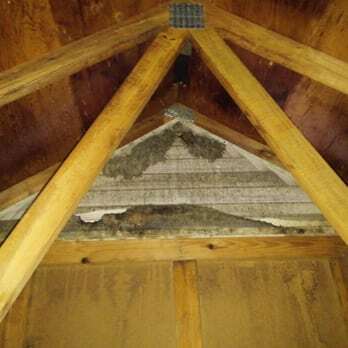
Once empty: galvanised mesh trenched in with an outward L-footer under the shed, deck, porch or slab, and any inherited groundhog burrow collapsed and graded.
Why Homeowners Call BEDR
- 20+ years, family-owned — you deal with the people doing the work.
- Licensed in Virginia (#56104) and Maryland (#049372).
- Humane and legal methods — we work inside Virginia’s relocation and protected-species rules, not around them.
- We seal, not just trap — the reason customers do not call us back about the same animal.
- 24/7 answering, with same-day service across Northern Virginia.
- Full restoration in-house — attic cleanup, insulation, chimney caps, crawl space work.
Humane Solutions. Lasting Results.
Frequently Asked Questions
There is a fox with kits under my shed. Is it dangerous?
Almost certainly not to people. Foxes are shy and a vixen with kits wants nothing to do with you. The real considerations are small pets and poultry, structural undermining, and any sign of mange or rabies. If none of those apply, waiting them out is often the best plan.
Will they leave on their own?
Usually yes. Kits are mobile by late spring and families typically abandon the natal den by mid-summer, and they rarely reuse it. The important step is excluding the space once they are gone, or you will have a new tenant — fox, groundhog or skunk — next spring.
Can you trap it and release it somewhere else?
No. That is exactly why we lead with exclusion and habitat work rather than traps.
The fox looks mangy and is out during the day. What now?
Call us or animal control the same day. Hair loss and raw, crusted skin point to sarcoptic mange, and daytime disorientation or aggression in a rabies vector species needs a professional response. Keep pets and children indoors and do not approach it.
Something screamed in my yard at night. Was that a fox?
Very likely, in January or February. Fox mating calls sound like something in distress. It is normal, it is seasonal, and it is not a sign of an animal in your house.
Get an Honest Assessment of the Den
Sometimes that means removal, sometimes it means waiting and sealing the space properly. Either way you get the truth. We answer 24 hours a day.
Other Wildlife Removal Services
Squirrel Removal · Raccoon Removal · Bat Removal · Bird Nest Removal · Snake Removal · Groundhog Removal · Skunk Removal · Opossum Removal · Mole Removal
Where We Work
Fairfax · Alexandria · Arlington · McLean · Vienna · Reston · Herndon · Falls Church · Woodbridge · Fredericksburg · Chantilly · Centreville · King George